This article is brought to you by Craig Barton National Sales Manager – Structural Pipe & Tube Orrcon Steel Manufacturing
“Lean thinking isn’t new, but applying it to sales changes the game. It challenges us to see selling not as a transaction, but as a system of value creation.”
After more than two decades in the steel industry, across operations, distribution, and sales leadership, I’ve seen that success in selling goes way beyond hitting targets or moving tones. It comes down to how well we understand our customers’ business and how we help them succeed.
At Orrcon Steel Manufacturing, Lean principles guide how we run our operations. However, I’ve also seen how powerful they are when applied to the way we sell and support our customers.
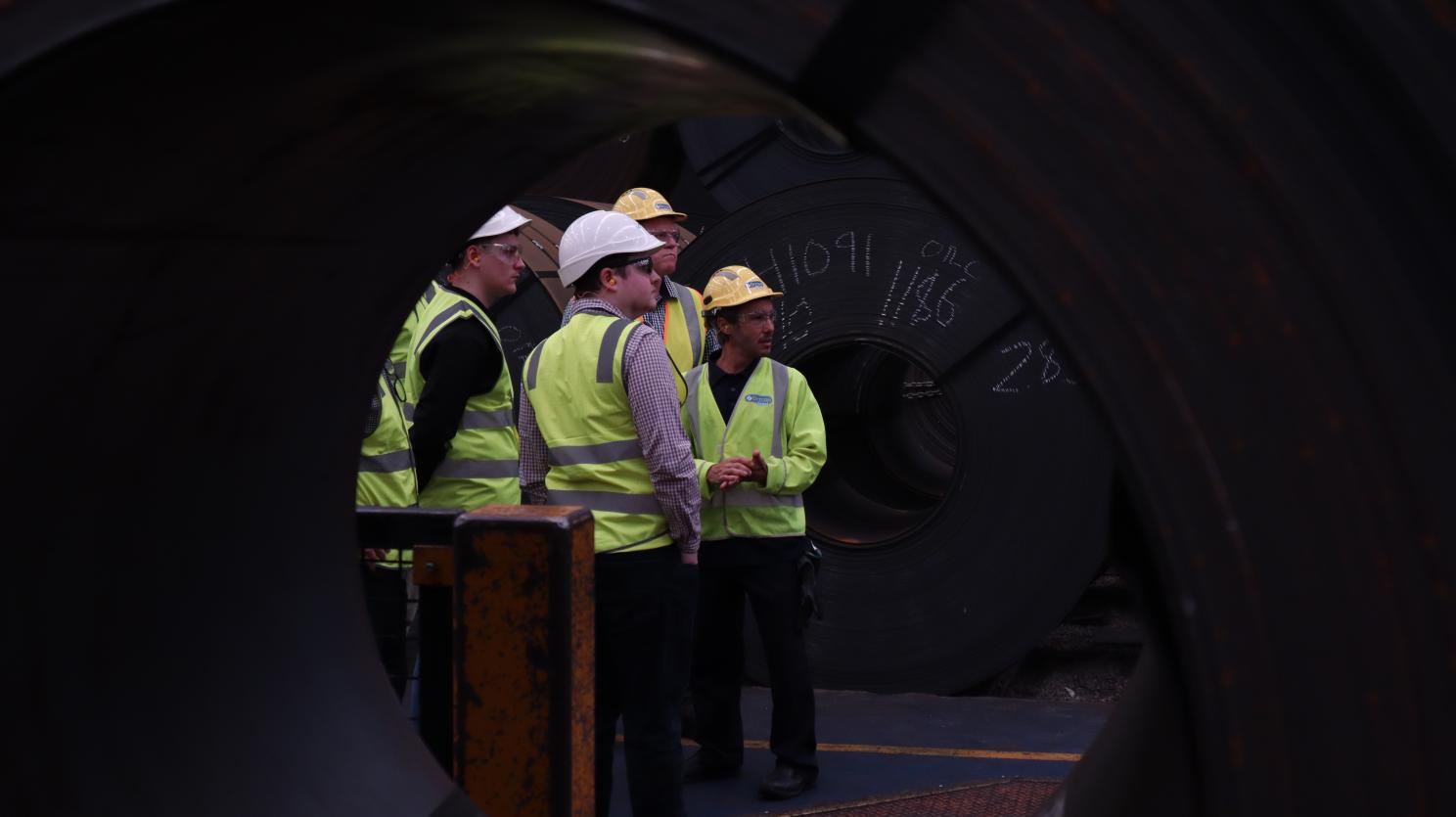
Image: DBM Vircon Cadets Visit Salisbury, QLD mill
Understanding Waste from the Customer’s View
In Lean manufacturing, waste is defined as anything that doesn’t add value from the customer’s perspective. That mindset changes everything. Instead of looking internally at our own systems, costs, or KPIs, we start looking through the customer’s eyes.
The goal is continuous flow through the entire value stream. In manufacturing, that means reducing excess inventory, waiting times, and defects. In sales, it means cutting out the friction that slows customers down such as delayed communication, complex ordering processes, or unpredictable lead times.
Every wasted step in our process creates cost or frustration somewhere in theirs.
When we think in Lean terms, we stop asking, “How do we sell more steel?” and start asking, “How do we make it easier for our distributors to succeed?”
Turning Selling Into a Shared Process
What I have found is that the beauty of Lean is that it’s built on collaboration. No single part of the chain can improve in isolation, production, logistics, and sales all need to move together.
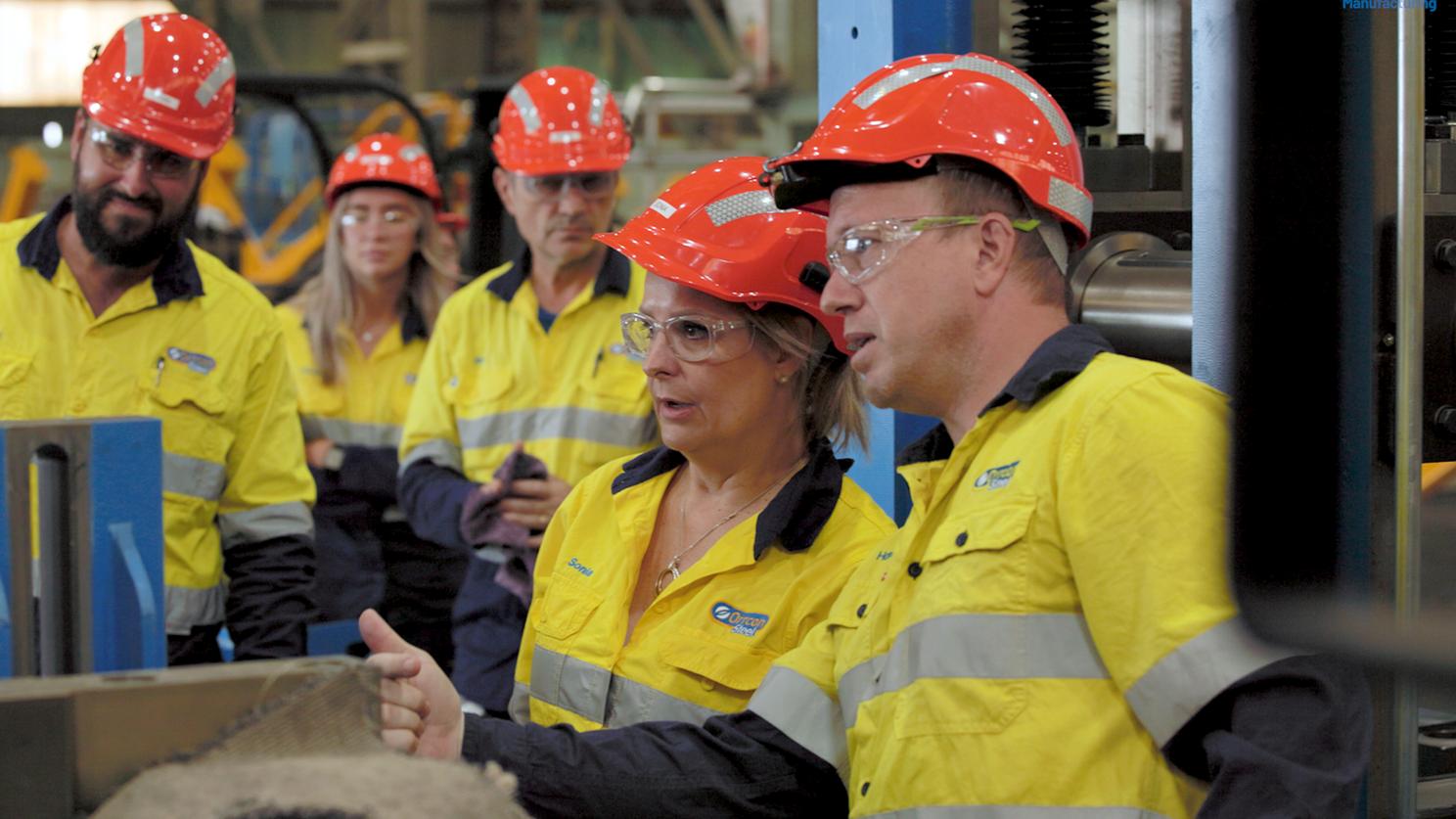
Image: Safety workshop in Unanderra, NSW mill
When I work with our distributors, I try to understand how our supply fits into their business flow where they hold stock, how they service their own customers, and where inefficiencies might creep in. That might mean improving a process for faster handling, fine-tuning our communication to our customers, offering quick access to test certificates, or developing product variations that help solve a downstream issue.
That’s Lean in practice.